
Engineers designing environmental sensor networks need cables that survive burial, submersion, extreme temperatures, and constant vibration. Mercury Wire engineers custom environmental monitoring cables that deliver reliable data from the toughest field conditions.
Understanding the common failure points of environmental cables is crucial in ensuring their longevity and reliability. For example, cables that are not designed to withstand extreme temperatures can become brittle and lose functionality. In contrast, our cables undergo rigorous testing to ensure they meet these demands, providing peace of mind for engineers working in critical environments. Furthermore, incorporating feedback from field tests helps us continually improve our designs and materials, ensuring our environmental monitoring cables remain at the forefront of technology.
Standard cables break in harsh environments – Off-the-shelf solutions degrade from soil moisture, temperature swings (-40°F to 180°F), and mechanical stress. Data loss costs projects thousands in redeployment.
In various sectors such as agriculture, construction, and environmental science, the reliability of data collected through environmental monitoring cables is paramount. The degradation of standard cables not only hampers the integrity of data but can lead to costly project delays. The environmental conditions where these cables operate can vary significantly, calling for robust solutions that can withstand extreme conditions. For instance, in agricultural settings, soil erosion and moisture levels can fluctuate dramatically, making the use of high-quality cables that resist such factors essential for accurate monitoring.
Our cables are not only built to last but are also tested under real-world conditions that simulate the various challenges they may face. For instance, in the case of oil and gas exploration, cables must withstand exposure to hydrocarbons and extreme temperatures, as well as the physical stresses associated with drilling operations. Our focus on chemical resistance, durability, and reliability ensures that our environmental monitoring cables can effectively gather crucial data without risk of failure.
To illustrate the effectiveness of our environmental monitoring cables, consider a project where we supplied cables for a renewable energy installation. The site faced challenges such as fluctuating temperatures and exposure to various environmental elements. Our cables not only survived these conditions but also delivered consistent and accurate data, thereby enhancing the overall efficiency of the project. This case study is just one example of how well-engineered environmental monitoring cables can facilitate successful outcomes in demanding projects.
Mercury Wire cables survive where others fail:
Submersible – groundwater, sewer, marine
Chemical resistant – withstands hydrocarbons, acids, fertilizers
UV/ozone stable – decades of outdoor exposure
Real-world proof: Our geotechnical cables powered Ohio State University’s Mt. Huascarán expedition (18,000ft altitude, -20°F). Equipment survived 3 weeks unattended through protests, delivered perfect samples.
| Application | Environment | Key Challenges | Mercury Solution |
|---|---|---|---|
| Geotechnical Sensors | Burial, saturation, seismic **[see geotechnical cables] | Soil compression, water ingress | TPE/PUR jackets, gel-filled, stranded conductors |
| Weather Stations | UV, temp extremes, wind | Jacket cracking, conductor fatigue | XLPE insulation, UV-stabilized polyurethane |
| Pipeline Monitoring | Chemicals, pressure, burial | Corrosion, permeation | Double-shielded |
| Seismic Arrays | Vibration, dynamic tension | Microphonics, fatigue | Vibration-isolated, low-noise conductors |
| Groundwater Sensors | Continuous submersion | Water blocking, biofouling | Swellable yarns |
The engineering process at Mercury Wire is designed to prioritize customer collaboration. We work closely with clients from the initial design phase through to production, ensuring that their specific needs are met. This partnership approach allows us to tailor our environmental monitoring cables precisely to the application at hand, enhancing performance and reliability. For instance, in a recent project involving environmental monitoring in a remote area, our team conducted thorough site analyses to determine the best cable specifications, leading to a successful implementation.
Example: Sewer inspection client needed 200ft push-pull cables. Standard PTFE failed at 150ft (kinking). We engineered polyurethane micro-coax with 7×1/30AWG power + 4C18AWG video. Survives 500 pulls, IP68 sealed, 1080p video clarity
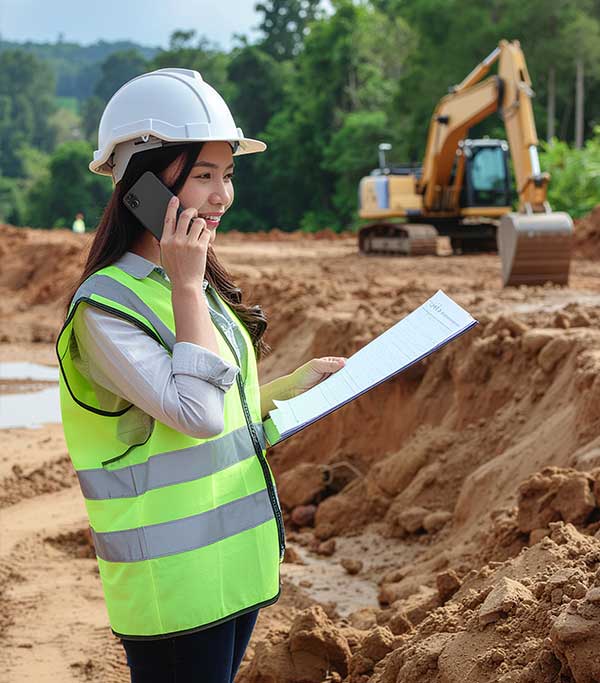
Your engineer calls our engineer. We map your sensor layout, burial depth, soil chemistry, data requirements. No forms, no sales calls.
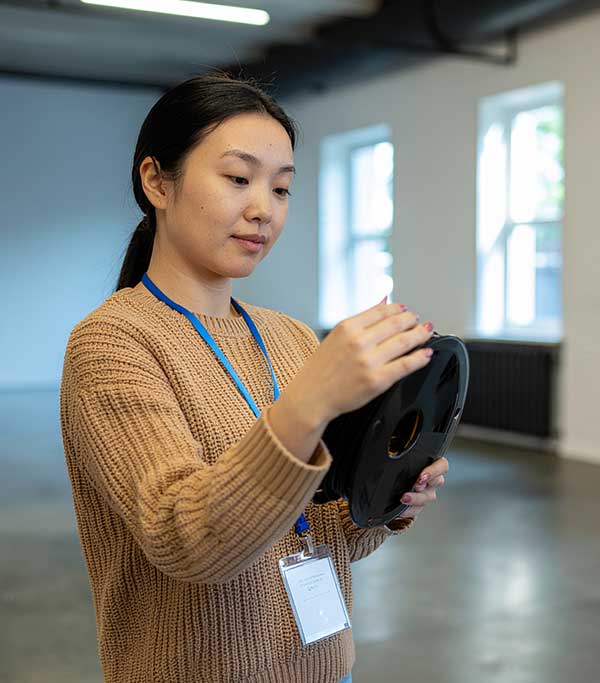
Kanban inventory + in-house extrusion = working cable in 14 days. Test it. Tweak it. No tool change orders.

Same value stream team owns production.
In addition to robustness, our environmental monitoring cables are designed for ease of installation. For example, we ensure that our products come with clear guidelines and support for installation, reducing the risk of errors during setup. This is particularly important in critical applications where incorrect installation can lead to data loss or system failures. Our commitment to client support extends beyond just product delivery; we provide ongoing assistance to ensure that systems operate smoothly throughout their lifespan.
Core Conductors: Tinned copper (ASTM B33) – corrosion immunity [Learn about insulation/jacketing options]
Primary Insulation: XLPE (105°C), or PP (80-90°C), PVC (105°C) , PE (80-90°C)
Shielding: 100% foil + 85% braid (EMI & RFI)
Inner & Outer Jacket: TPE (flexible, -40°C), PUR (abrasion resistant), Hytrel (chemicals)
Armor: Stainless steel
Fillers: Water swell tapes, desiccant gels
Bend Radius: OD dynamic (application specific)
Pull Strength: (application specific)
Pull Strength Materials: Kevlar, Vectren, Technora
| Typical Lead Times | Mercury Wire |
|---|---|
| Quote | 24 hours |
| Prototype | 2 weeks |
| Production | 3-4 weeks |
| Off-the-shelf | 8-12 weeks |
Why faster? [See our 2-week prototyping process] In-house wire drawing, extrusion, assembly. No supply chain layers. Dedicated value stream eliminates handoffs.
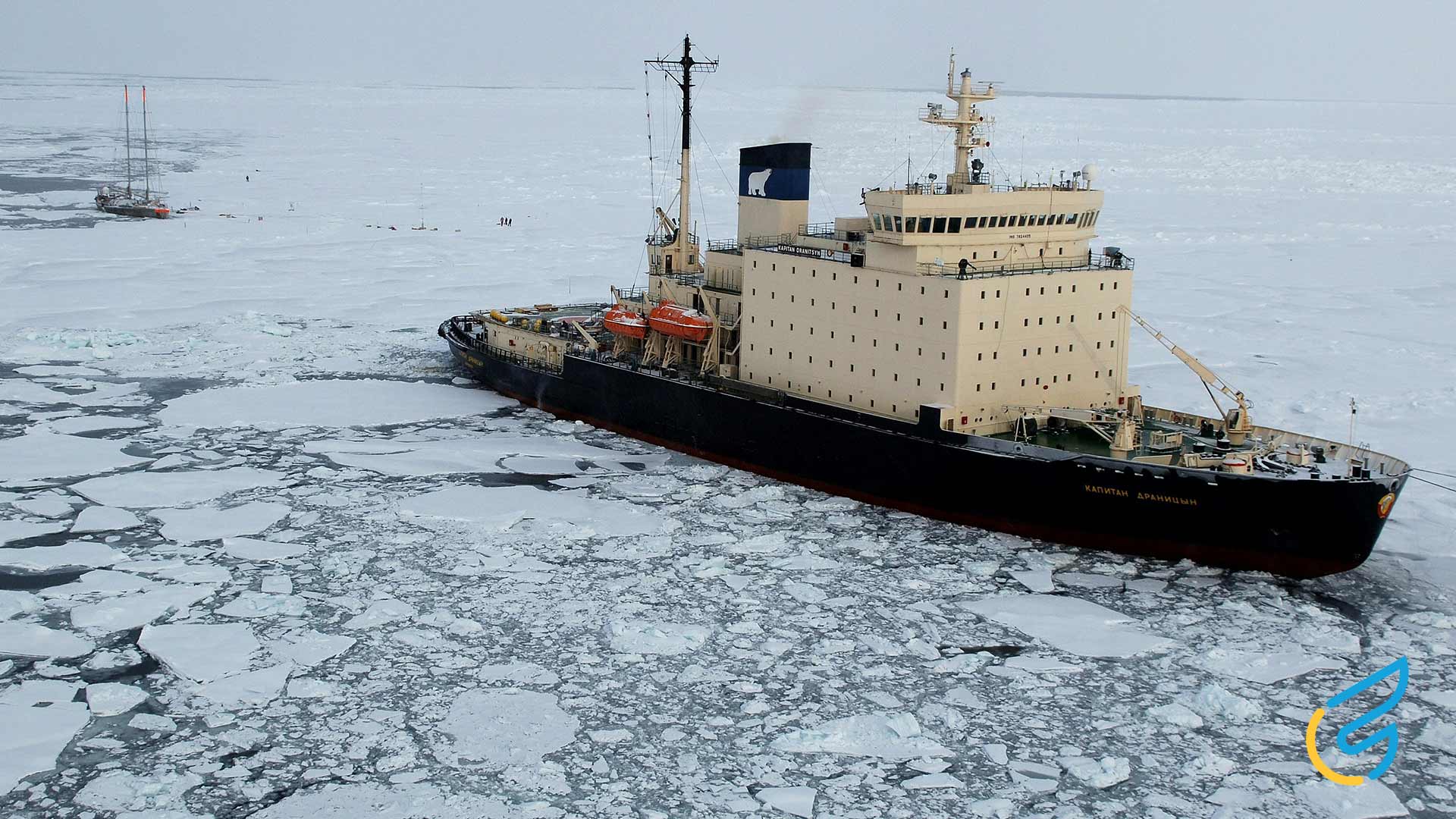
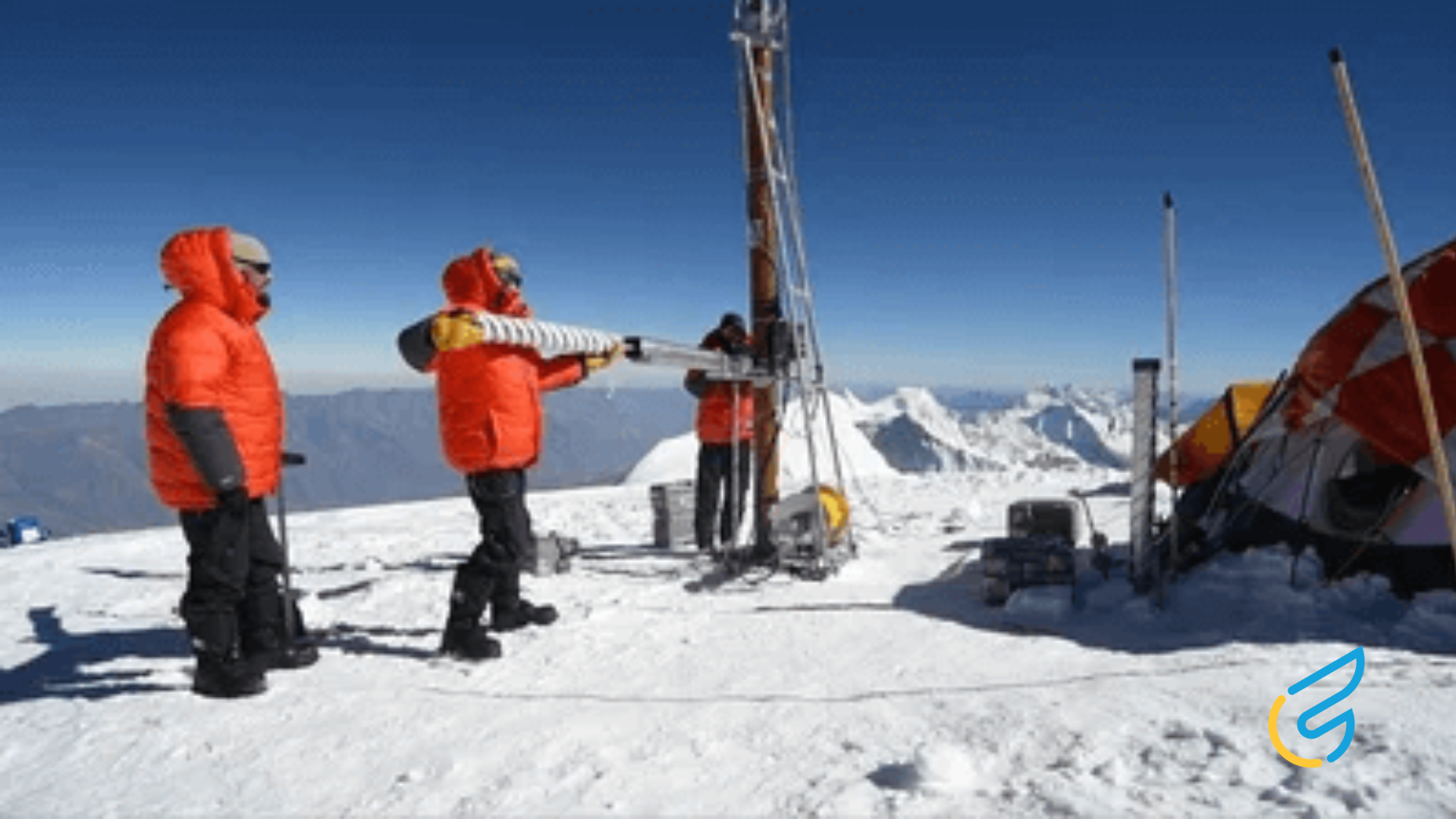
Challenge: Extract 100m ice cores at 18,000ft. -20°F. Equipment must survive unattended 3 weeks.
Solution: 150m direct-burial sensor cable. XLPE insulation (-40°C), polyurethane jacket (UV/abrasion), stainless overbraid. 4C20AWG signal + 2C14AWG power.
Result: 100% data capture. Zero failures. Expedited $2M research.

Explore our environmental cable expertise.