
Mercury Wire designs and manufactures geotechnical instrumentation cables for buried and long run monitoring systems where signal integrity moisture resistance and long term reliability are non negotiable. Every cable is engineered around your sensors site conditions and monitoring strategy not forced into an off the shelf construction.
Geotechnical instrumentation systems must perform reliably for years or decades often without access for repair. Mercury Wire engineers cable solutions that protect data integrity from installation through long term operation.
A geotechnical instrumentation cable is a custom engineered cable designed to transmit low level sensor signals in buried saturated and long run monitoring systems. These cables protect signal integrity resist moisture migration and support reliable data collection for critical infrastructure projects.
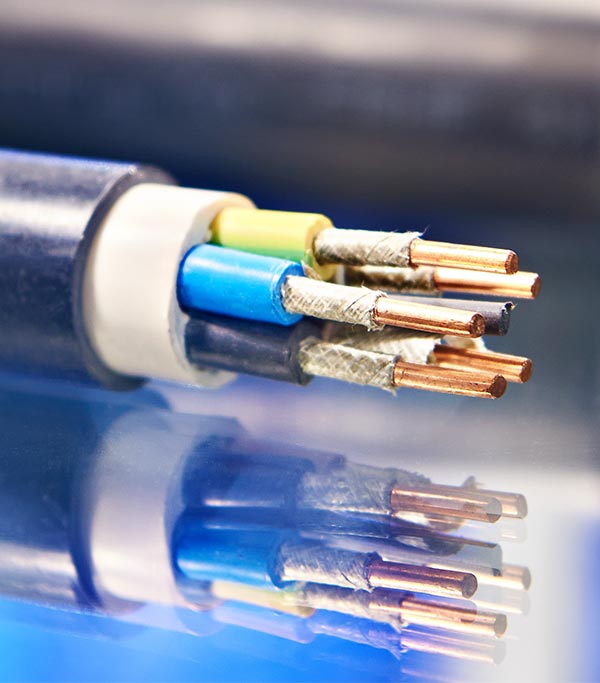
Accurate geotechnical data depends on clean stable signals across long distances. Mercury designs conductor layouts pairing and shielding strategies to minimize electrical noise and signal loss in complex sensor networks. Applications include strain gauges piezometers inclinometers and vibration monitoring systems.
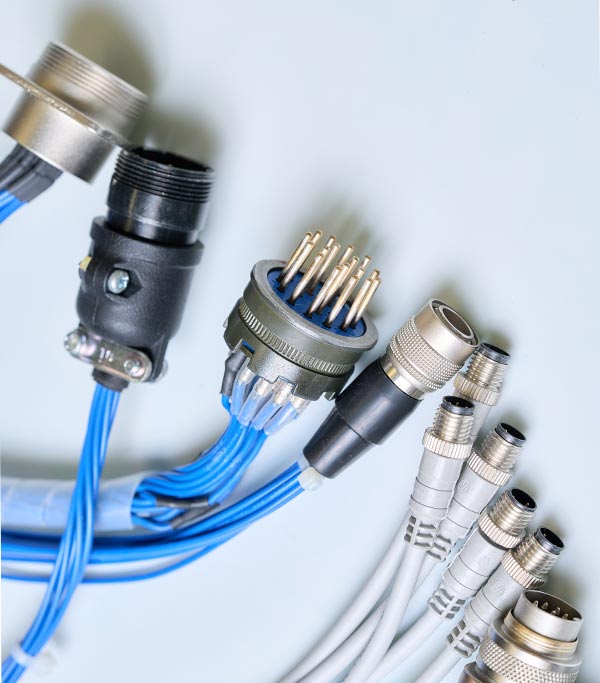
Buried instrumentation cables face moisture pressure abrasion and chemical exposure for years or decades. Mercury selects insulation jacketing and water blocking systems to limit moisture migration and protect electrical performance long term. Every construction is engineered around site conditions not assumptions.

Complex monitoring layouts often combine multiple sensor types power conductors and termination points. Mercury integrates functions into single cable designs to reduce field labor simplify routing and improve long term maintainability. Custom color coding print legends and breakout designs support faster cleaner installations.
Accurate geotechnical data begins with reliable signal transmission from the field to data acquisition equipment. Instead of adapting your system to a standard cable Mercury starts by understanding your instrumentation and architecture.
Our engineers collaborate with you to align cable design with sensor output levels run length grounding approach and noise sensitivity.
Electrical design considerations include
Conductor size and configuration optimized for signal type and run length
Pairing and twisting tailored for analog digital and multi channel sensor systems
Shielding strategies including individual pairs overall shields or combined designs
Drain wires and grounding approaches aligned with your system requirements
| Challenge | Mercury Solution |
|---|---|
| Moisture Migration | Water Blocking, gels, swellable yarns |
| Soil/Rock Crush | Abrasion/crush-resistant jackets |
| Chemical Exposure | Specialized compounds for grout/soil |
| Long Runs | Optimized conductors + shielding |
Geotechnical cables are often installed in soil rock concrete grout and water. Mercury designs cable constructions to perform in real world environments not just pass laboratory tests.
Material and construction options typically include
Insulation materials selected for electrical performance and moisture resistance
Outer jackets designed for burial backfill and exposure to water or chemicals
Water blocking tapes fillers or gels to limit longitudinal moisture migration
Additional layers for abrasion resistance crush protection and compaction forces
Temperature and environmental ratings matched to site conditions
Many geotechnical monitoring systems require multiple measurement points along a single alignment borehole or structure. Mercury can integrate multiple sensor circuits into a single cable to reduce complexity and improve reliability.
Supports multiple sensor types within a single cable construction.
Combines power conductors and instrumentation pairs in one coordinated design.
Designed for cleaner junction box connections and easier field installation.
Custom color coding and printed legends for fast accurate cable identification.
Mercury Wire supports geotechnical projects from early concept through phased construction and long term operation. The same team that helps design your cable supports prototyping validation and ongoing production.
Our collaborative process typically includes
Application review focused on instrumentation site conditions and installation methods
Cable design recommendations covering conductors shielding water blocking and jacketing
Prototype production for lab testing or field evaluation
Feedback driven refinement to finalize the design
Scaled production with inventory and delivery strategies aligned to your schedule
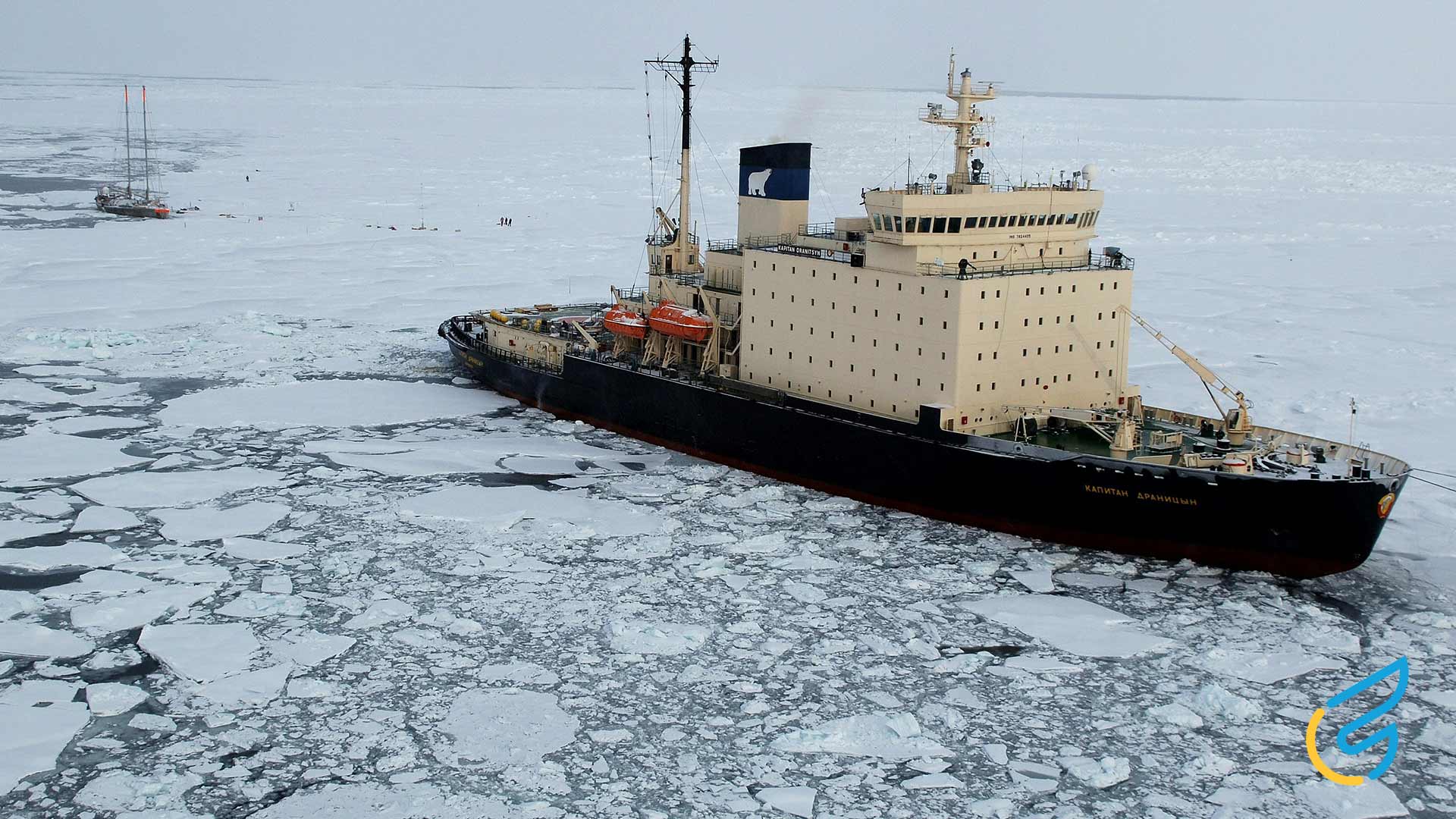
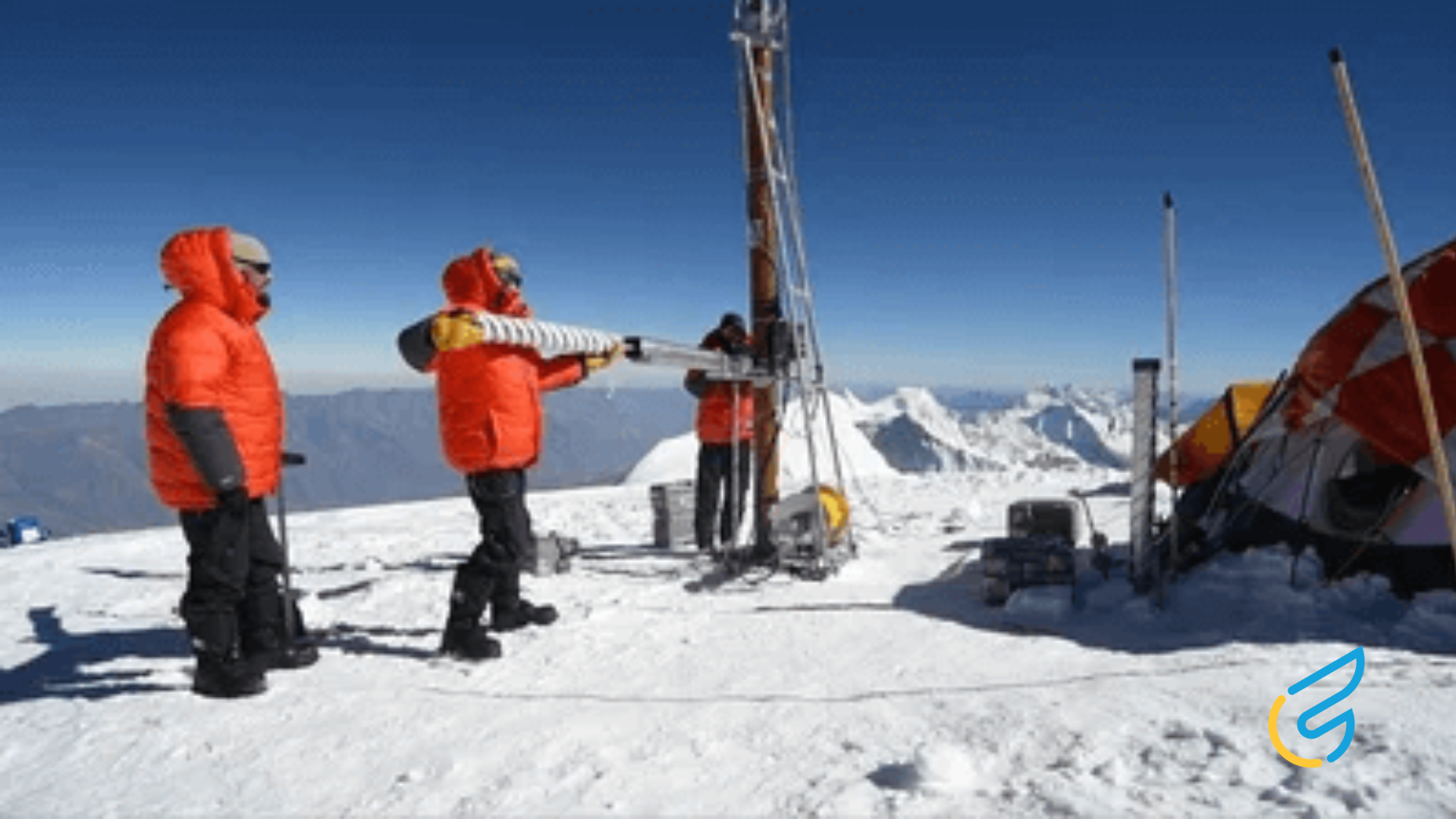
Custom cables engineered for buried, saturated, and long-run monitoring in dams, tunnels, slopes, and embankments. Water-blocking, crush-resistant, low-noise designs matched to inclinometers, piezometers, extensometers, and site realities.
Cables are only one part of a reliable geotechnical instrumentation system. Mercury also supports assemblies and terminations that protect connections and simplify installation.
Value added capabilities include
Overmolded or protected terminations for instruments and junction boxes
Pre terminated cable assemblies to reduce installation time and errors
Labeling and identification aligned with drawings and as built documentation
Cut to length and kitting to support installation sequencing
A custom geotechnical instrumentation cables can reduce installation complexity improve data reliability and lower total lifecycle cost. Mercury Wire partners with you to engineer a solution that fits your sensors your site and your long term monitoring goals.
Share your instrument list run lengths and site conditions and our engineering team will propose a custom geotechnical instrumentation cable designed specifically for your project.
Geotechnical instrumentation cables are designed for long term buried and saturated environments where access for repair is limited or impossible. Unlike standard control or tray cables they are engineered to protect low level sensor signals resist moisture migration and withstand soil pressure abrasion and environmental exposure for decades. Mercury Wire designs these cables specifically around sensor requirements site conditions and installation methods rather than adapting off the shelf constructions.
Moisture protection is engineered into the cable construction not added as an afterthought. Mercury Wire uses combinations of water blocking tapes gels swellable yarns and jacket materials to limit longitudinal moisture migration and protect electrical performance. The specific approach is selected based on soil conditions groundwater exposure installation depth and expected service life.
Mercury Wire designs cables for a wide range of geotechnical sensors including inclinometers piezometers extensometers strain gauges vibration sensors and temperature monitoring devices. Each cable is engineered to match sensor output levels grounding requirements noise sensitivity and run length to ensure accurate data collection.
Yes. Cable design begins with understanding run length voltage drop noise sensitivity and system architecture. Mercury engineers conductor size pairing twisting and shielding to maintain signal integrity across long distances and complex monitoring layouts. This approach is especially critical for low level analog signals and multi sensor systems.
Lead time depends on cable complexity material selection and testing requirements. Many custom designs can be prototyped quickly for evaluation followed by scaled production aligned to your project schedule. Mercury Wire manufactures in the United States which helps reduce lead time variability and improve responsiveness.
Yes. Mercury Wire supports both bulk cable and fully assembled solutions. Options include pre terminated cable assemblies overmolded connections protected terminations and cut to length kitting to simplify field installation and reduce labor. Assemblies are designed to match junction boxes sensors and installation sequencing.
Our geotechnical instrumentation cables are used in critical infrastructure applications including civil engineering transportation energy water management mining construction and environmental monitoring. Typical projects include dams tunnels slopes embankments foundations and underground structures where long term monitoring is essential.
The best starting point is a design conversation. Sharing your sensor list run lengths site conditions and installation approach allows our engineers to propose a cable construction tailored to your application. You can request a design consultation or send your specifications directly to our team.
Receive updates directly in your inbox!