You have about 90 seconds at a trade show booth before a conversation either turns into something real or stalls into a brochure handoff.
At EWPTE + Wire Expo 2026 in Milwaukee, May 6 and 7, the show floor will be full of wire and cable suppliers. Some will be catalog distributors dressed up as manufacturers. Some will be genuine manufacturers who can actually engineer a solution to your specific problem. Most booths will look similar. The conversations are where the difference shows up.
To make the most of your time at the expo, it’s essential to know what to ask a cable supplier during your discussions.
This is Mercury Wire’s first year exhibiting at EWPTE. We spent a lot of time thinking about what kind of conversations we want to have on that floor — and what questions engineers should be asking before they decide who is worth talking to at all. What follows is what we came up with.
If you are a design engineer, electrical engineer, R&D lead, or operations manager with a cable or assembly challenge that your current supplier has not been able to solve, these are the questions that separate a supplier who can help from one who will quote what you send them and hope for the best.
1. Do you manufacture the cable, or do you source it?
Knowing whether a cable supplier actually manufactures the cable — or purchases commodity wire from a mill and adds connectors — is one of the most important questions you can ask at a wire and cable trade show.
A surprising number of exhibitors are assemblers, not manufacturers. That model works fine for standard applications. It does not work when your application requires a specific conductor configuration, jacket compound, shielding architecture, or environmental protection that is not available off the shelf.
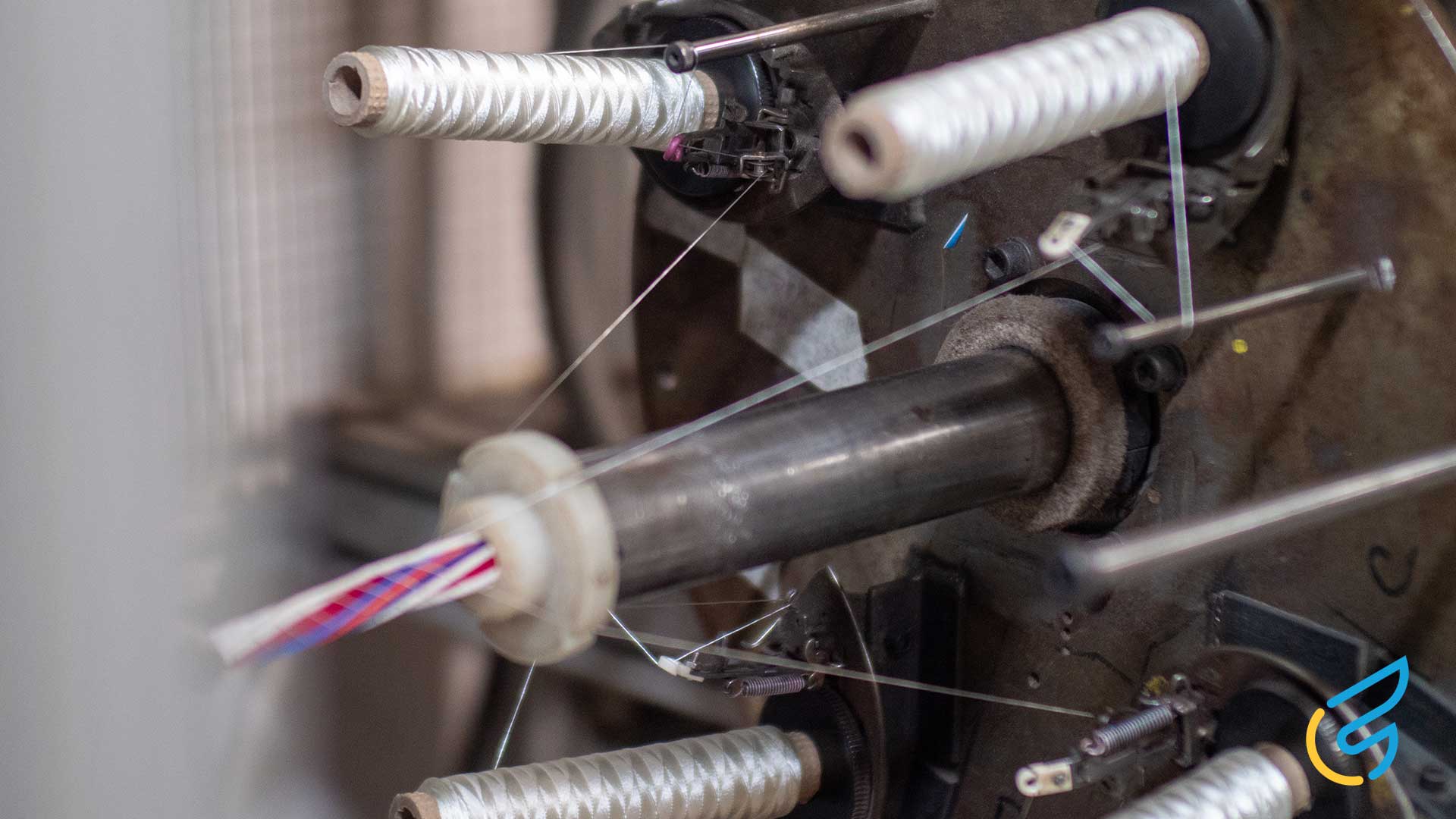
A manufacturer who extrudes their own wire and builds their own cable has control over every layer of the construction from the conductor out. That means they can design for your environment, not adapt a catalog item to it.
We build wire, cable, and assemblies under one roof in Spencer, MA. When an engineer asks us to change the jacket compound for a subsea application or add a water-blocking layer for a geotechnical cable, the answer is never “that is not something we stock.”
What you want to hear: specifics about the manufacturing process. Extrusion lines, insulation compounds, shielding options, jacketing. If the answer is vague, dig in.
2. Can you handle the cable and the assembly, or just one?
Suppliers who handle cable manufacturing and assembly under one roof eliminate a full supply chain layer and provide a single accountable point of contact from raw wire to finished product. That matters more than most engineers realize until something goes wrong.
Managing a separate cable manufacturer and assembly house doubles your lead time exposure, creates two points of failure, and means nobody fully owns the performance of the finished product. When something goes wrong — and eventually something does — both vendors point at each other.
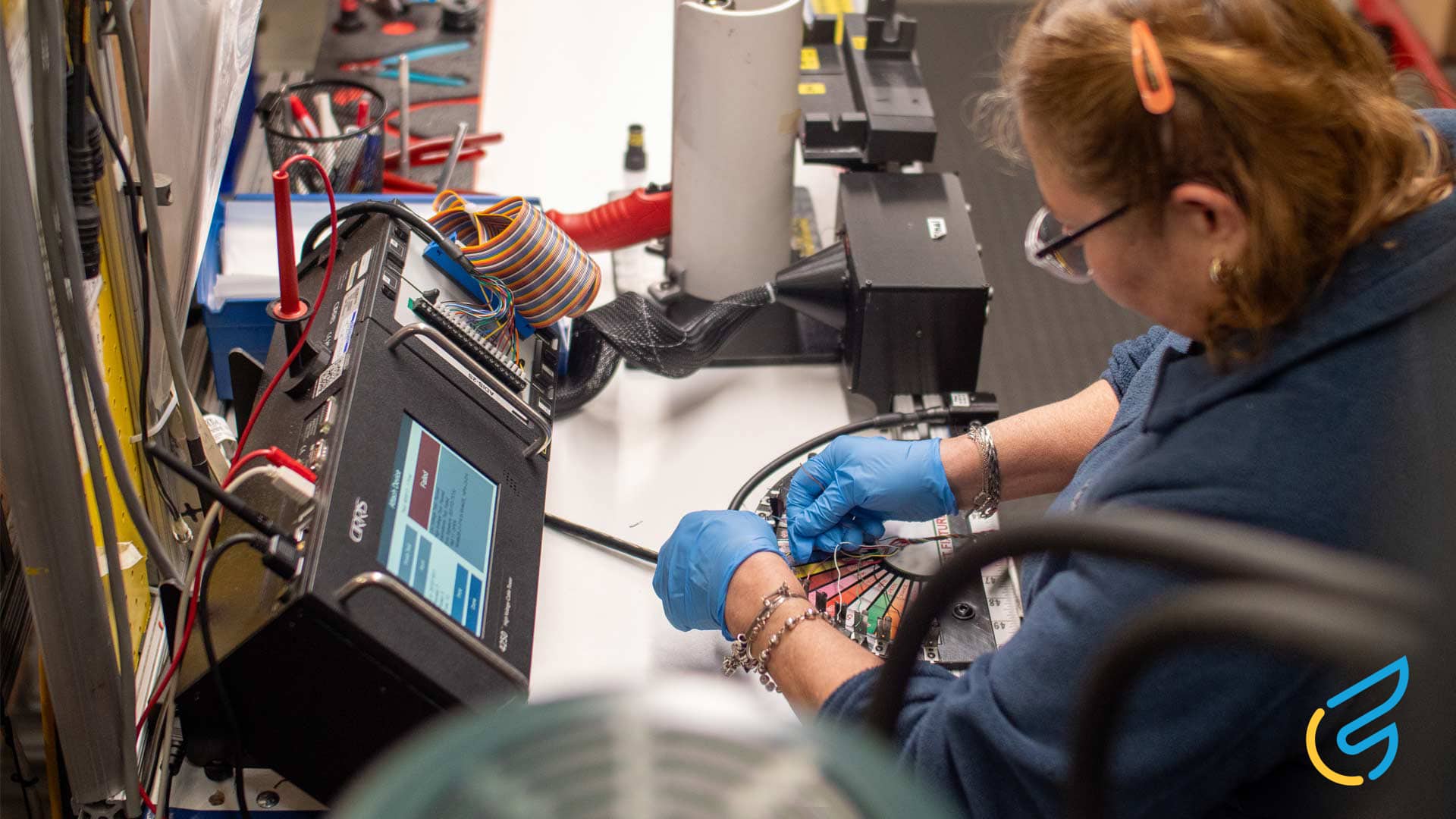
Suppliers who combine cable manufacturing and assembly can offer tighter quality control, faster prototyping, and cleaner accountability. One engineer owns your project from concept to delivery. There are no handoffs between vendors.
Ask directly: do your engineers who design the cable also oversee the assembly? Or are those two separate teams — or two separate companies? The answer tells you a lot about how accountability is structured.
3. Who will I be talking to if we work together?
Trade show booths are often staffed by salespeople, not engineers. That is not a criticism — but it is worth knowing who you will actually be working with once the show is over.
For applications with any real complexity — emergency lighting systems that have to meet NEC requirements, subsea cables that operate in saltwater pressure environments, geotechnical instrumentation cables that need to survive years underground — you need an engineer on the other side of the table. Someone who understands your application, asks the right questions about your environment and failure modes, and can tell you whether your current spec is actually right for what you are building.
Ask: if we send you our specs, who reviews them? Is it an engineer who will call us with questions, or does a quote come back automatically?
At a good supplier, that answer is a name and a title. At our booth, the people you talk to are the engineers who will design and build your cable if we work together. That is not a trade show pitch — it is how we are structured.
4. Have you built something for an application like mine?
Industry experience is worth a lot in engineered cable. The material science, the regulatory considerations, the environmental challenges — these are not the same from one application to the next. A supplier with deep experience in military and defense cable has a very different working knowledge than one who primarily builds commercial harnesses.
You do not need a supplier who has built your exact cable before. You do need one who has worked in your application environment, understands the relevant standards, and knows what failure looks like in the field.
At EWPTE, ask for specific examples. Geotechnical instrumentation. Life-safety systems. Subsea monitoring. Defense and aerospace assemblies. Robotics and automation. If they have relevant experience, they will be able to talk about it in detail — not in generalities.
5. What does your prototyping process look like?
If you are developing something new — or transitioning away from an overseas supplier — the prototype phase is where the relationship gets established or falls apart.
A supplier set up for rapid in-house prototyping can turn around a sample quickly, incorporate your feedback, and iterate before you commit to production. A supplier who treats prototyping as a low-priority precursor to the real order will slow your development timeline and create frustration before the relationship ever reaches production volume.
Ask: how long does a first prototype typically take? Is prototyping handled in-house? Can we iterate on the construction before moving to production?
The answers should be specific and confident. Vague answers about timelines are a signal worth paying attention to.
6. What does your supply chain look like after we go to production?
Getting to production is one milestone. Staying there reliably is another.
Predictable delivery, consistent quality batch to batch, and a supplier who treats your engineered cable as a standard line item rather than a special order each time — that is what separates a short-term vendor from a long-term manufacturing partner.
Ask about Kanban or pull-based replenishment, lead time consistency, and what happens when your demand increases. A supplier with a lean manufacturing operation and a repeatable production model will give you a clear answer. One who hedges on lead times or cannot describe how they manage inventory is telling you something important.
What to Do With the Answers
Walk the show floor with these questions ready. The best suppliers will welcome them. Engineers who know their process, their capabilities, and their application history will answer without hesitation.
The ones who deflect, over-promise, or redirect you to a catalog will tell you everything you need to know.
We Will Be at Booth 1311
Mercury Wire Products is exhibiting at EWPTE + Wire Expo 2026 for the first time. Booth 1311, Exhibit Hall A–E, Baird Center, Milwaukee, May 6–7.
We have been engineering and manufacturing wire, cable, and assemblies in Spencer, MA since 1967. The people at our booth are the engineers who will actually design and build your cable if we work together. Come with your hardest problem.
Speak with an engineer → https://marketing.mercurywire.com/engineered-cable-assembly-manufacturer
Quick Reference: Six Questions to Ask Your Cable Supplier at EWPTE 2026
- Do you manufacture the cable, or do you source it?
- Can you handle the cable and the assembly, or just one?
- Who will I be talking to if we work together?
- Have you built something for an application like mine?
- What does your prototyping process look like?
- What does your supply chain look like after we go to production?