Key Takeaways
- Start with the application. Purpose, industry use case, and how the cable will be handled drive every decision that follows.
- Match the build to the environment. Temperature, moisture, chemicals, UV, and abrasion dictate jacket and insulation choices.
- Let electrical demands set the architecture. Voltage, current, signal type, frequency, and data rate determine conductors and shielding.
- Confirm compliance early. UL, CSA, CE, RoHS, REACH, and WEEE may apply, so line up documentation up front.
- Weigh lifetime cost, not sticker price. A well-designed custom cable lowers downtime, maintenance, and failure risk.
- Engage engineers early. Collaborative design and prototyping avoid costly mistakes and shorten lead times.
A Proven Framework for Selecting Custom Cable That Performs and Lasts
Selecting the right custom cable for any application is a high-stakes decision that can impact performance, reliability, and long-term cost-effectiveness. Mercury Wire, a leader in custom cable solutions, takes a collaborative engineering approach to solve complex cabling challenges for diverse industries, including industrial applications, underwater, and military and defense. Below is an in-depth guide to choosing the best custom cable rooted in Mercury Wire’s expertise and process.
Understanding Application Requirements
The foundation of any successful custom cable selection begins with a clear understanding of the application’s needs.
Purpose
Pin down what the cable must do: data transmission, power delivery, signal integrity, or environmental monitoring. Naming the problem you are solving shapes every decision that follows.
Industry Use Case
Industrial automation, medical devices, communication networks, and underwater systems each carry their own constraints and priorities. The use case sets the technical baseline.
Usage Scenarios
Decide whether the cable stays fixed or moves often. Repeated flexing, abrasion, and strain directly drive construction and material choices.
Environmental Factors
Cables must be suited to their operating environment to ensure safety and longevity.
- Temperature Extremes – Select cable jackets and insulation that withstand the highest and lowest expected temperatures.
- Moisture and Chemical Exposure – For wet, humid, or chemically aggressive environments, choose moisture-resistant and chemically inert materials.
- UV and Abrasion Resistance – Outdoor or high-wear applications demand UV-tested, abrasion-resistant jackets.
Electrical and Signal Requirements
Performance is driven by matching cable architecture to electrical demands.
- Voltage and Current – Proper conductor size and material (e.g., copper or tinned copper) minimize voltage drop and heat build-up.
- Signal Type and Frequency – Analog vs. digital, low vs. high frequency: these influence shielding, conductor layout, and insulation type.
- Data Rate – For fast, high-bandwidth communication, select cables designed for minimal attenuation and signal impedance.
Flexibility and Mechanical Considerations
- Flex Life – If the cable will be repeatedly bent or flexed, stranded conductors and rubberized jackets offer higher flex life.
- Rigidity – For static installation, rigidity may improve lifespan and installation ease.
- Diameter and Aesthetics – Size constraints, bend radius, and even finish (matte, gloss, tacky) may impact usability and appearance.
Shielding and Noise Protection
- Electromagnetic Interference (EMI) – Industrial settings are rife with EMI. Shielded cables, often with foil or braid, protect signal integrity.
- Radio Frequency Interference (RFI) – Sensitive equipment may require comprehensive shielding for RFI resistance.
- Grounding – Proper grounding techniques paired with shielding optimize performance.
Connector Selection and Compatibility
- Connector Types – Choose the right connectors for power, signal, or data. Think ring terminals, Anderson, or proprietary plugs.
- Durability and Locking Features – Harsh environments may benefit from overmolded or locking connectors for water and dust resistance.
- Compatibility – Verify that connectors are suited to the equipment to be connected, avoiding misfits or performance losses.
Regulatory Compliance and Safety Standards
- UL, CSA, CE, RoHS, REACH, WEEE – Application or location-specific certifications are often mandatory; Mercury Wire supports compliance documentation and alternative material recommendations for specialized needs.
- Documentation – Request certificates of compliance as needed for end-customer or internal requirements.
Material Selection
Choosing materials impacts performance, durability, and compliance.
- Conductor – Bare copper offers excellent conductivity; tinned copper resists corrosion; high-strand counts support flexibility.
- Insulation/Jacket Material – Options include PVC, PUR, and specialty polymers, selected for factors like flexibility, strength, chemical resistance, and fire retardance.
Collaborative Design and Prototyping: The Mercury Wire Advantage
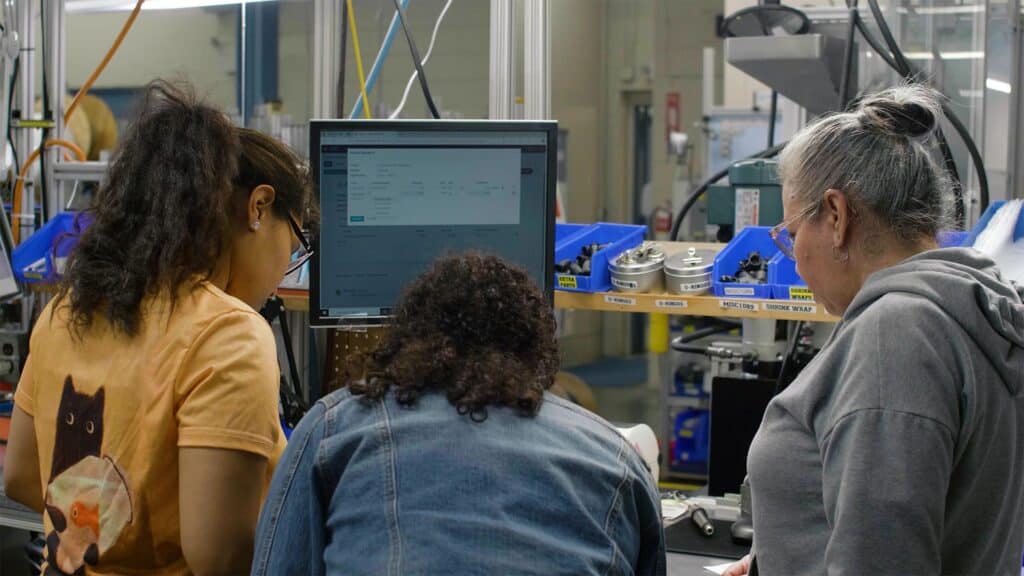
Mercury Wire’s expertise lies in collaborative design. Engineering teams work directly with customers to review application specifics, then prototype and verify solutions.
- Integrated Engineering – Deep knowledge of materials and efficient production ensures product iterations are efficient and purposeful.
- Prototyping and Testing – Early prototyping enables fast feedback loops, with real-world testing for reliability.
- Workcells and Rapid Delivery – Mercury Wire’s dedicated workcells streamline production for agile, scalable delivery, reducing lead times.
Total Cost of Ownership
- Durability vs. Initial Cost – Custom cables may cost more upfront, but optimized performance and reduced maintenance lower lifetime costs.
- Failure Risk – Poor fit or material selection can lead to downtime and expensive repairs. Custom, well-designed cables mitigate risk.
Partnering with Mercury Wire: A Collaborative Process
Mercury Wire’s approach isn’t just about supplying a product, it’s about building a partnership.
-
Needs Assessment
We start with consultations that clarify your technical and operational requirements.
-
Solution Development
Our engineering team recommends design features, materials, and compliance strategies built for your project.
-
Relationship Building
We build for the long term, supporting your success from prototype through production.
Steps to Selecting Your Custom Cable
-
01
Define application needs
Document every environmental, electrical, and operational detail before design starts.
-
02
Engage specialists early
Bringing our engineers in early speeds the process and avoids costly mistakes.
-
03
Collaborate on design
Review prototypes and iterate on materials and layouts until the solution fits.
-
04
Verify compliance and standards
Gather the certifications and documentation your application requires.
-
05
Approve and scale
Once the design is verified, move quickly to full-scale production.
Selecting the right custom cable is a consultative, detail-driven process that benefits from expertise, collaborative design, and an understanding of material science and regulatory requirements. Mercury Wire’s unique approach, built on integrated engineering and relationship-first service, makes it an ideal partner for organizations demanding cable assemblies that deliver value today and into the future.
By carefully considering every factor (application, environment, electrical demands, shielding, connectors, compliance, and material choices) and working closely with a trusted partner like Mercury Wire, decision-makers ensure their custom cables provide optimal performance, reliability, and scalability for even the most demanding projects.
Contact us today to learn more about Mercury Wire’s custom wire and cable solutions and how we can support your specific application needs. Request a quote to fast-track your custom cable order.