KEY TAKEAWAYS
- Recurring cable failures on the same part number are almost always a design problem, not a supplier execution problem. Switching vendors without revising the specification moves the problem to a new address.
- The failure modes that are hardest to reproduce consistently are typically written into the original design. Intermittent signal loss, insulation degradation at flex points, and moisture ingress under specific conditions are design outcomes.
- A cable redesign starts with failure data, not a redline of the existing drawing. Understanding how and where a cable is failing determines what actually needs to change.
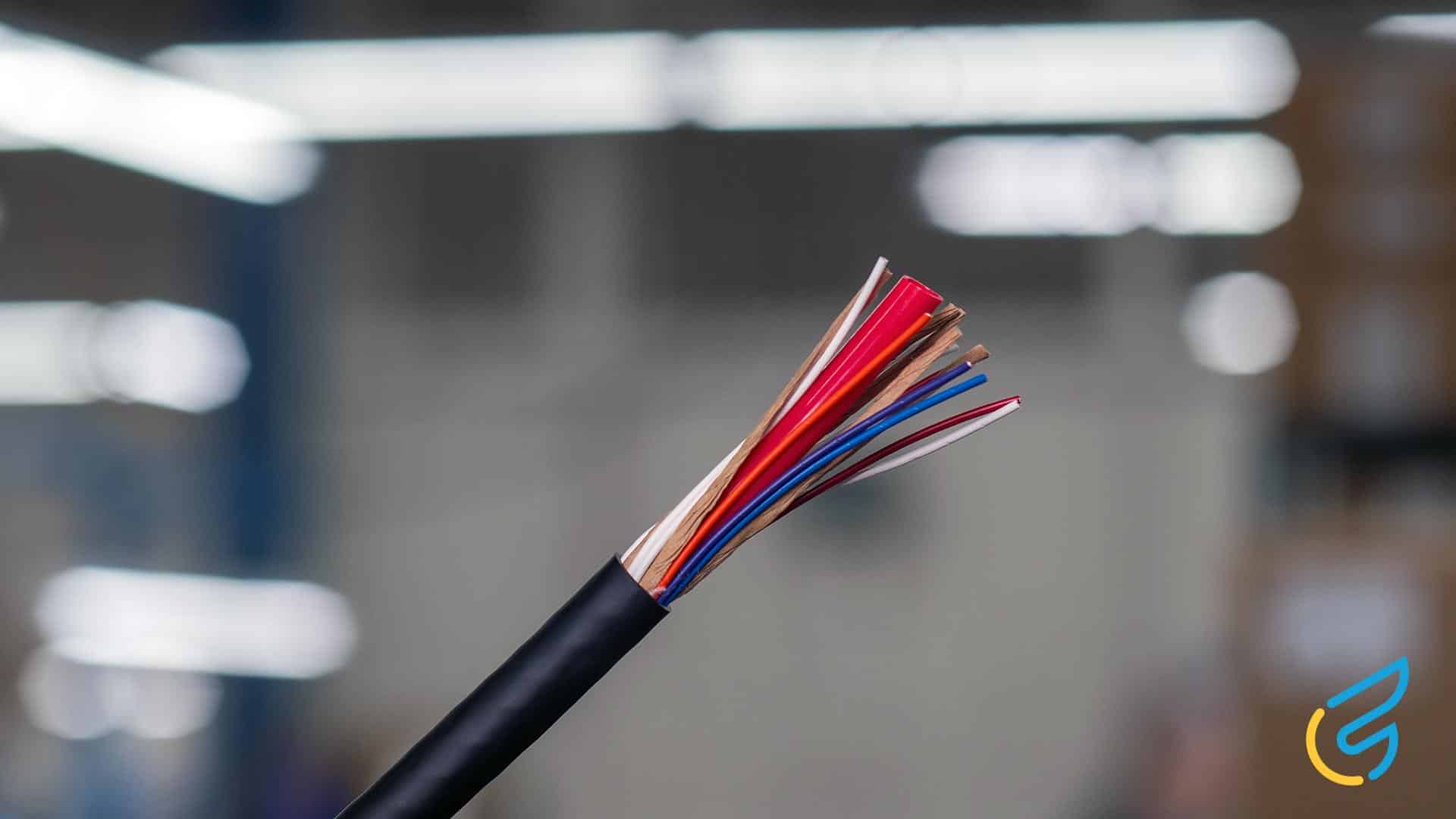
- Conductor stranding, shielding construction, insulation and jacket material, water blocking, and strain relief are the most common redesign levers. Each targets a specific failure mechanism.
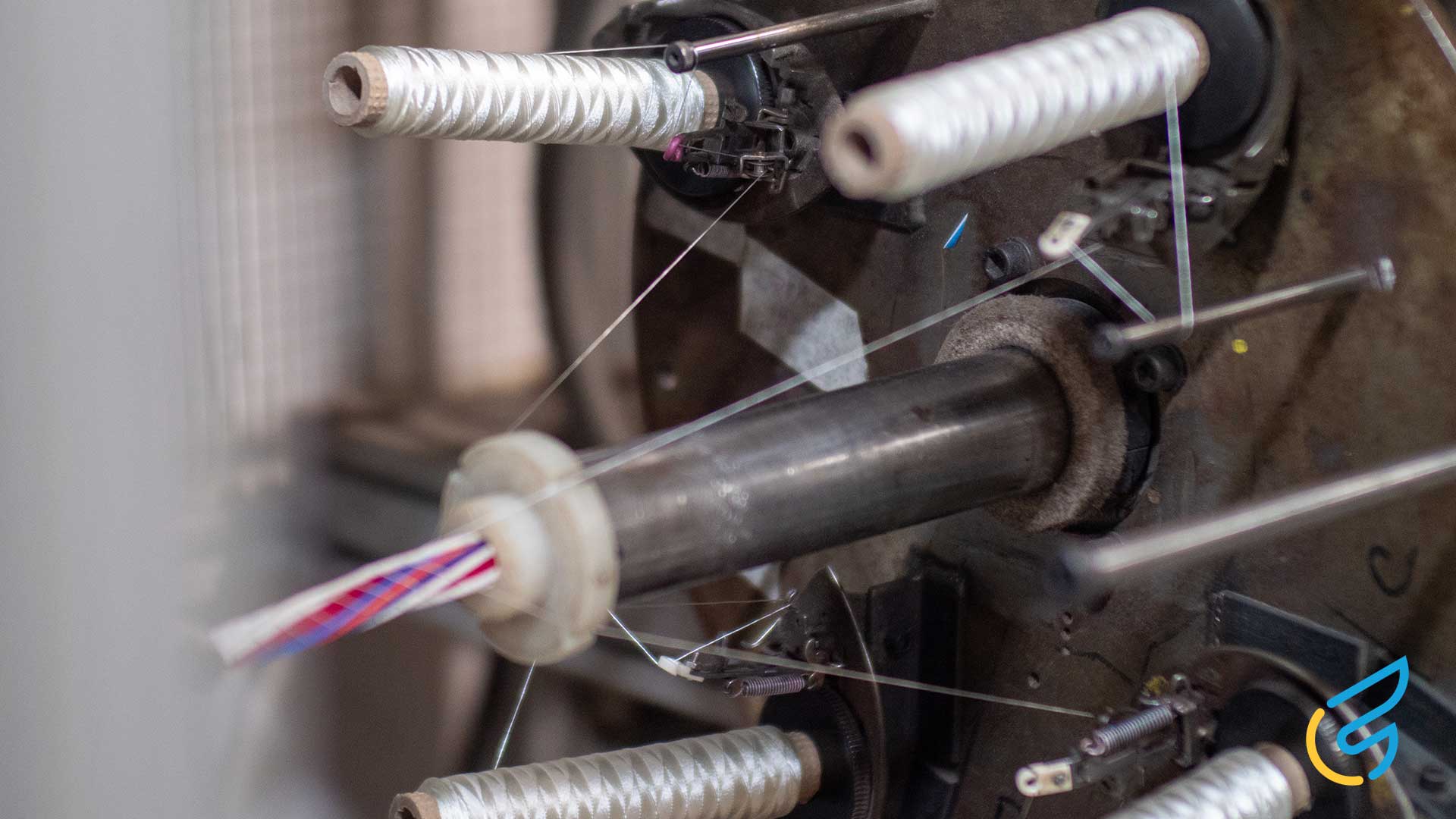
- We engineer and build cable and assembly under one roof. The team analyzing your failure data is the same team that builds the replacement construction.
Why Recurring Cable Failures Point to the Design, Not the Supplier
Recurring cable failures on the same cable part number are telling you something specific: the root cause is in the construction, the materials, or the fit between the design and the application. A cable that fails consistently across multiple suppliers, or across multiple production runs from the same supplier, is not a supplier problem. The supplier may be executing to the print correctly. The print is the problem.
For OEM engineering and quality teams, the distinction matters because it changes the corrective action. Qualifying a new supplier for a part with a flawed specification moves the problem to a new address. Tightening process controls or incoming inspection for a cable that is mismatched to its application manages the symptom rather than removing it.
At Mercury Wire, we work with engineering and quality teams who have been chasing the same cable failure for months or years. Most of those conversations start with a supplier problem and arrive at a design problem once the failure data gets examined directly.
Not every underperforming cable is actively failing. If a design still works but has never been formally reviewed against its application, that is a cable specification review, the proactive counterpart to the redesign work described here.
How to Identify Whether the Design Is the Root Cause
The failure modes that point most clearly to a design problem are often the ones that are hardest to reproduce in a controlled environment. Intermittent signal loss under vibration, insulation cracking at bend points, moisture ingress that appears only after extended field exposure, and lot-to-lot variation with no clear assignable cause in production records: these are not quality escapes. They are design decisions that show up differently depending on ambient conditions, installation geometry, or how aggressively the cable moves in service.
Failures at Flex Points or Terminations
Failure modes that cluster at bend regions, strain-relief points, or termination ends indicate the construction was not designed for the mechanical demands of the application, not that the supplier built it poorly.
Failures That Vary by Environment
When failures correlate with temperature cycling, humidity, UV exposure, or chemical contact, the material selection in the original spec did not account for the actual operating conditions the cable sees in the field.
Lot-to-Lot Inconsistency
Variation with no clear assignable cause in production records typically points to a specification loose enough to permit variability that shows up as a defect downstream, regardless of which supplier is building the cable.
Assembly Workarounds
When assembly teams develop consistent workarounds for a cable that is too stiff, too large, or difficult to terminate reliably, those workarounds become the real specification, written in practice rather than on paper.
What a Cable Redesign Actually Involves
A cable redesign starts with failure data, not a redline of the existing drawing. Understanding how and where a cable is failing determines what needs to change, and that determination requires information that rarely appears on a cable drawing: where the cable is routed, how it moves in service, what temperatures and chemicals it actually encounters, and how it is terminated and strain-relieved in the final assembly.
We begin by reviewing the failure data and field reports your service and quality teams can share. From there, we examine the current construction, the connector and strain relief design if assembly is involved, and the routing and installation conditions in the end application. The goal is not to find one thing wrong. It is to understand whether the cable was ever designed for the application it is running in.
The specific changes that follow vary by case. Conductor stranding may need to move from a solid or lightly stranded construction to a finely stranded or bunched conductor for improved flex life.
-
Insulation and Jacketing
Material selection affects abrasion resistance, flexibility at low temperatures, and resistance to chemicals in the operating environment.
-
Shielding Construction
Determines both EMI performance and mechanical behavior in flex applications. Legacy designs often optimize for one without considering the other.
-
Water Blocking
At the conductor or jacket level, addresses moisture ingress that a non-blocked construction cannot stop regardless of how well it is sealed at termination.
Strain relief at termination points is one of the most common failure sites and one of the most direct to address when the assembly is redesigned alongside the cable.
How Quality Gets Built Into the Redesigned Cable
A cable that performs in qualification testing must perform consistently across production runs, not just in prototype samples. That distinction is where many redesign efforts fall short: the prototype passes, the first production run reveals variation, and the corrective action cycle restarts.
We approach quality management as a production discipline, not an inspection function. Controlled drawings, validated manufacturing processes, calibrated inspection tooling, and material and process traceability for every run are the mechanisms that translate a qualified design into consistent output over time. Testing protocols are defined around the actual mechanical, electrical, and environmental demands the cable faces in service, not the minimum requirements of a generic specification.
For engineering and quality teams dealing with recurring failures, this approach also creates a documentation record that supports failure analysis and corrective action reporting. When a cable has a traceable manufacturing history, isolating the cause of a field failure becomes a data exercise rather than a forensic one.
What Changes After a Successful Redesign
The outcome of a well-executed cable redesign is not just a cable that stops failing. The more direct case for the investment is what happens to the programs built around it.
Field return rates fall. Incoming inspection reject rates stabilize. Assembly teams stop managing workarounds and work from a specification that functions for the process. For applications where cable performance is tied directly to product capability, such as high-flex robotics, underwater instrumentation, and harsh industrial sensing, improved cable reliability can extend service intervals, enable tighter system specifications, or remove a constraint that was limiting what the product could do in the field.
We approach these projects as ongoing programs rather than one-time design exercises.
-
Prototyping and Pilot Production
From failure analysis through prototyping and pilot runs, through sustained production with quality data that continues across runs, the relationship extends as long as the cable is on your BOM.
-
Cable and Assembly Under One Roof
The team that analyzed your failure data is the same team that builds and ships every production run. No handoff, no gap between what was reviewed and what gets built.
If a cable on your BOM is producing recurring failures, the most useful first step is a conversation. Share the failure data, photos, and the existing drawing, and we will give you a direct assessment of whether a redesign is the right path and what it would take to get there. Speak with one of our engineers to begin.